
How Pregnancy Changes Your Period and Menstrual Cup Fit
"I never had a problem with my menstrual cup before I had my baby."
It's a sentence we've heard countless times from customers.
One customer shared that she had used the same menstrual cup successfully for years. She knew exactly how to insert it, never worried about leaks, and barely had to think about her period anymore. Then she had a baby.

Months later, when her period finally returned, everything felt different. Her flow seemed heavier. Her cramps felt more intense. And the menstrual cup she had relied on for years suddenly leaked.
She assumed she was doing something wrong.
The truth is, she wasn't.
One of the biggest misconceptions about postpartum recovery is that once you've healed from childbirth, everything should go back to exactly the way it was before pregnancy. But pregnancy and childbirth can create lasting changes throughout the body, including changes to your pelvic floor, vaginal muscle tone, cervix, and menstrual cycle.
If your period feels different after having a baby, or if your favorite menstrual products suddenly don't work the same way they used to, you're not imagining it.
Your body may have changed, and that's completely normal.
How Pregnancy and Childbirth Affect the Body
During pregnancy, your body spends months adapting to support a growing baby. Your pelvic floor muscles work overtime to support additional weight and pressure. Your uterus expands dramatically. Hormones fluctuate. Ligaments soften. Muscles stretch.
Then comes childbirth.
Whether you delivered vaginally or via cesarean section, your body has been through an extraordinary experience. Recovery doesn't end once your baby arrives. In many ways, recovery is just beginning.
One area that often receives very little attention is the pelvic floor and vaginal muscles.
These muscles play an important role in supporting your bladder, uterus, and bowel. They also influence how internal menstrual products fit and function.
Because pregnancy and childbirth can affect these muscles, it's common for menstrual cups and discs to fit differently afterward.
What Is Vaginal Muscle Tone?
Vaginal muscle tone refers to the natural strength and responsiveness of the muscles surrounding the vaginal canal and pelvic floor.
These muscles help provide support and stability throughout the pelvis. During pregnancy and childbirth, they stretch significantly and may need time to regain strength and coordination afterward.
For some people, muscle tone returns relatively quickly. For others, recovery takes longer. Some may notice lasting changes in how these muscles feel and function.
None of this means something is wrong.
It simply means your body has gone through a major life event and is adapting to it.
Why Your Menstrual Cup May Leak After Having a Baby
Menstrual cups rely on positioning and suction to create a seal around the cervix.
If your pelvic floor muscles have changed, if your cervix sits differently than it did before pregnancy, or if your vaginal canal has changed shape or positioning, your cup may no longer sit exactly where it used to.
As a result, you may notice leaks even when your cup is not full. You may have difficulty getting the cup to open completely. You may feel pressure you never noticed before or struggle to maintain a reliable seal.
This doesn't necessarily mean your menstrual cup is no longer right for you.
Sometimes a different size provides a better fit. Sometimes a softer or firmer cup works better. Sometimes your body simply needs more time to heal and adjust.
Why Menstrual Discs Can Feel Different Postpartum
Menstrual discs function differently than cups because they sit higher in the vaginal canal and rest behind the pubic bone rather than relying on suction.
Even so, postpartum changes can affect disc placement and comfort.
Some people find discs easier to use after childbirth. Others discover they need a different size to stay comfortably tucked in place.
Changes in muscle tone, pelvic support, and anatomy can all influence how a disc fits.
Just as every pregnancy is different, every postpartum experience is different too.
Your Period May Have Changed Too
Changes in anatomy aren't the only surprise many people experience after having a baby.
For many, the period itself changes.
Some people notice heavier bleeding during their first postpartum periods. Others experience stronger cramping, increased clotting, longer cycles, shorter cycles, or irregular timing. Some find that their periods eventually return to what they were before pregnancy, while others discover that pregnancy permanently changes their menstrual cycle.

This can happen because pregnancy causes significant hormonal changes throughout the body. It can take time for hormones to regulate after childbirth. Your uterus also spent months growing and supporting a pregnancy before gradually returning to its pre-pregnancy size.
All of these factors can influence how your periods look and feel.
If your periods become heavier than they were before pregnancy, you may find yourself emptying your menstrual cup more frequently. You may prefer using period underwear as backup protection during heavier days. Some people appreciate the comfort of organic postpartum pads while they learn what their new normal looks like.

The important thing to remember is that different does not automatically mean something is wrong.
What About Pelvic Floor Therapy?
If you're experiencing discomfort, pressure, heaviness, leaking, or changes that concern you, a pelvic floor physical therapist can be an incredible resource.
Many people assume pelvic floor therapy is only necessary if something feels seriously wrong. In reality, it can help you better understand how your body has changed and provide exercises and strategies that support recovery.
Learning about your body is never a bad investment.
It's also important to remember that healing doesn't just happen during appointments or exercise routines. Recovery often comes down to the small ways we care for ourselves each day. Whether that's resting when your body asks for it, using products that feel comfortable and supportive, or simply giving yourself permission to slow down, those choices matter more than many people realize.
Finding What Works for Your Postpartum Body
One of the biggest myths surrounding postpartum recovery is that your body should eventually go back to exactly how it was before pregnancy.
The reality is that your body may be different now.
That isn't a failure.
That isn't something to fix.
It's simply part of your story.
You may need a different menstrual cup size than you used before pregnancy. You may discover that a menstrual disc feels more comfortable. You may find yourself relying on period underwear during heavier cycles when you want extra confidence and protection. During the early weeks of recovery, soft organic cotton postpartum pads can provide gentle support while sensitive tissues heal. And when cramps, soreness, or postpartum discomfort show up, something as simple as a microwavable heating pad can provide comforting warmth and a much-needed opportunity to slow down and care for yourself.
The goal isn't to force your body to fit the products you used before pregnancy.
The goal is to find products that support the body you have today.
You're Not Doing Anything Wrong
If your cup leaks now when it never leaked before, you're not doing anything wrong.
If your disc feels different, you're not doing anything wrong.
If your periods are heavier, lighter, longer, shorter, or simply different than they were before pregnancy, you're not doing anything wrong.
Pregnancy and childbirth change the body in remarkable ways. Learning those changes takes time.
At Pixie, we've always believed that period care should adapt to real bodies and real life changes. Pregnancy, childbirth, and postpartum recovery are powerful reminders that our bodies are constantly changing, and our period products should support us through those changes rather than expect us to stay the same.
Whether that means finding a menstrual cup that fits your postpartum body, reaching for period underwear during heavier cycles, using organic cotton postpartum pads during recovery, or curling up with a microwavable heating pad when you need a little extra comfort, there is no right or wrong way to care for yourself.
The goal isn't perfection. The goal is finding what helps you feel supported, comfortable, and confident in your body.
At Pixie, we believe you deserve to feel empowered in your body, no matter what stage of life you might be in. Whether you're navigating your first postpartum period, learning what products work best for your changing body, or simply adjusting to a new normal, know that we're cheering you on every step of the way.
Your body has done something incredible.
It deserves support, patience, and a whole lot of grace.
FAQ
Can pregnancy change your cervix?
Yes. Pregnancy and childbirth can affect the position, height, and firmness of your cervix. While these changes are completely normal, they can influence how a menstrual cup or menstrual disc fits. If your favorite reusable period product suddenly feels different after having a baby, changes to your cervix may be one reason.
Should I use Kegel weights after having a baby?
Kegel weights can be a helpful tool for some people, but they're not the right choice for everyone. If you're postpartum, it's often a good idea to check with your healthcare provider or a pelvic floor physical therapist before beginning pelvic floor strengthening exercises. They can help determine whether your muscles need strengthening, relaxation, or a different type of rehabilitation. Every postpartum recovery is unique.

Should my menstrual cup or menstrual disc cause pain?
No. A menstrual cup or menstrual disc should not cause ongoing pain. While there can be a learning curve when you're first using a reusable period product, persistent discomfort, pressure, or pain usually means something isn't fitting quite right. You may benefit from a different size, firmness, or style. If pain continues, it's a good idea to speak with your healthcare provider.
Can I use a menstrual cup or menstrual disc if I have an IUD?
Yes. Many people safely use both menstrual cups and menstrual discs with an IUD. However, it's important to break the suction before removing a menstrual cup, since pulling on a sealed cup could increase the risk of IUD displacement. Menstrual discs don't rely on suction in the same way, which is one reason some people with IUDs prefer them. It's also a good idea to have your IUD strings trimmed to an appropriate length by your healthcare provider if they're interfering with your period product.
Is it normal if my menstrual cup feels lower after childbirth?
Yes. Changes to your pelvic floor muscles and pelvic support can affect how your menstrual cup sits. Some people notice their cup sits lower than it did before pregnancy, while others find it feels higher or more difficult to position. If your cup no longer feels comfortable, trying a different size or firmness may help.
Will my postpartum body eventually go back to normal?
Your body is already normal. While many postpartum changes improve over time, some changes may be long-lasting. Your pelvic floor, menstrual cycle, cervix, and anatomy may not look or function exactly as they did before pregnancy and that's okay. Rather than expecting your body to return to its pre-pregnancy state, it's often more helpful to find products and routines that support the body you have today.
Is a menstrual cup or menstrual disc better after having a baby?
There isn't a one-size-fits-all answer. Some people continue to love their menstrual cup after childbirth, while others find that a menstrual disc feels more comfortable or provides a better fit. Because pregnancy affects every body differently, the best option is the one that feels comfortable, stays in place, and gives you reliable leak protection.

Our Top Picks For You
-
Period Disc & Applicator Kit
![]()
![Period Disc & Applicator Kit]()
![Period Disc & Applicator Kit]()
![Period Disc & Applicator Kit]()
![Period Disc & Applicator Kit]()
![Period Disc & Applicator Kit]()
![Period Disc & Applicator Kit]()
![Period Disc & Applicator Kit]()
![Period Disc & Applicator Kit]()

- Regular price
- $39
- Sale Price
- Regular price
-
$55 - $39
- Unit price
- per
Sold out -
Combo Disc + Applicator Bundle
![]()
![Combo Disc + Applicator Bundle]()
![Combo Disc + Applicator Bundle]()
![Combo Disc + Applicator Bundle]()
![Combo Disc + Applicator Bundle]()
![Combo Disc + Applicator Bundle]()
![Combo Disc + Applicator Bundle]()
![Combo Disc + Applicator Bundle]()
![Combo Disc + Applicator Bundle]()

- Regular price
- $39
- Sale Price
- Regular price
-
$49 - $39
- Unit price
- per
Sold out -
Reusable Organic Cotton Pads
![]()
![Reusable Organic Cotton Pads]()
![Reusable Organic Cotton Pads]()
![Reusable Organic Cotton Pads]()
![Reusable Organic Cotton Pads]()
![Reusable Organic Cotton Pads]()
![Reusable Organic Cotton Pads]()
![Reusable Organic Cotton Pads]()
![Reusable Organic Cotton Pads]()
![Reusable Organic Cotton Pads]()
![Reusable Organic Cotton Pads]()
![Reusable Organic Cotton Pads]()

- Regular price
- $25
- Sale Price
- Regular price
-
$34 - $25
- Unit price
- per
Sold out -
Individual Wipes - Unscented
![]()
![Individual Wipes - Unscented]()
![Individual Wipes - Unscented]()
![Individual Wipes - Unscented]()
![Individual Wipes - Unscented]()
![Individual Wipes - Unscented]()
![Individual Wipes - Unscented]()
![Individual Wipes - Unscented]()
![Individual Wipes - Unscented]()
![Individual Wipes - Unscented]()
![Individual Wipes - Unscented]()
![Individual Wipes - Unscented]()
![Individual Wipes - Unscented]()
![Individual Wipes - Unscented]()
![Individual Wipes - Unscented]()
![Individual Wipes - Unscented]()

- Regular price
- $5
- Sale Price
- Regular price
-
$10 - $5
- Unit price
- per
Sold out -
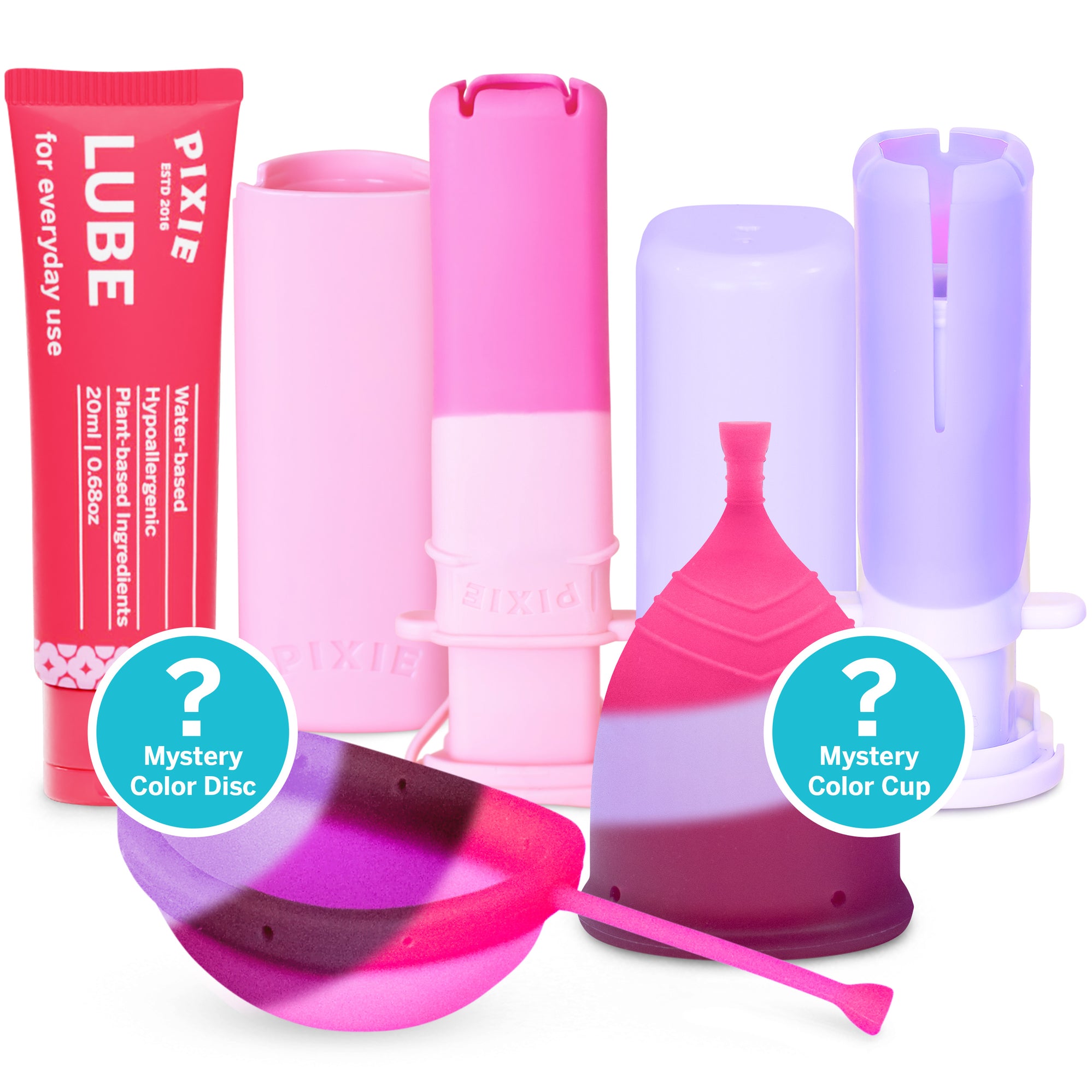
Cup & Disc + Applicators Kit
![]()
![Cup & Disc + Applicators Kit]()
![Cup & Disc + Applicators Kit]()
![Cup & Disc + Applicators Kit]()
![Cup & Disc + Applicators Kit]()
![Cup & Disc + Applicators Kit]()
![Cup & Disc + Applicators Kit]()
![Cup & Disc + Applicators Kit]()
![Cup & Disc + Applicators Kit]()
![Cup & Disc + Applicators Kit]()
![Cup & Disc + Applicators Kit]()
![Cup & Disc + Applicators Kit]()
![Cup & Disc + Applicators Kit]()
![Cup & Disc + Applicators Kit]()
- Regular price
- $44
- Sale Price
- Regular price
-
$49 - $44
- Unit price
- per
Sold out -
Wipes Travel Pack - Unscented
![]()
![Wipes Travel Pack - Unscented]()
![Wipes Travel Pack - Unscented]()
![Wipes Travel Pack - Unscented]()
![Wipes Travel Pack - Unscented]()
![Wipes Travel Pack - Unscented]()
![Wipes Travel Pack - Unscented]()
![Wipes Travel Pack - Unscented]()
![Wipes Travel Pack - Unscented]()

- Regular price
- $7
- Sale Price
- Regular price
-
$11 - $7
- Unit price
- per
Sold out -
Individual Wipes - Rosewater
![]()
![Individual Wipes - Rosewater]()
![Individual Wipes - Rosewater]()
![Individual Wipes - Rosewater]()
![Individual Wipes - Rosewater]()
![Individual Wipes - Rosewater]()
![Individual Wipes - Rosewater]()
![Individual Wipes - Rosewater]()
![Individual Wipes - Rosewater]()
![Individual Wipes - Rosewater]()
![Individual Wipes - Rosewater]()
![Individual Wipes - Rosewater]()
![Individual Wipes - Rosewater]()
![Individual Wipes - Rosewater]()
![Individual Wipes - Rosewater]()
![Individual Wipes - Rosewater]()
![Individual Wipes - Rosewater]()
![Individual Wipes - Rosewater]()
![Individual Wipes - Rosewater]()

- Regular price
- $5
- Sale Price
- Regular price
-
$7 - $5
- Unit price
- per
Sold out -
Lower Back & Abdomen Heat Patch
![]()
![Lower Back & Abdomen Heat Patch]()
![Lower Back & Abdomen Heat Patch]()
![Lower Back & Abdomen Heat Patch]()
![Lower Back & Abdomen Heat Patch]()
![Lower Back & Abdomen Heat Patch]()
![Lower Back & Abdomen Heat Patch]()
![Lower Back & Abdomen Heat Patch]()

- Regular price
- $9
- Sale Price
- Regular price
-
$11 - $9
- Unit price
- per
Sold out -
Individual Wipes - Chamomile Couture
![]()
![Individual Wipes - Chamomile Couture]()
![Individual Wipes - Chamomile Couture]()
![Individual Wipes - Chamomile Couture]()
![Individual Wipes - Chamomile Couture]()
![Individual Wipes - Chamomile Couture]()
![Individual Wipes - Chamomile Couture]()
![Individual Wipes - Chamomile Couture]()
![Individual Wipes - Chamomile Couture]()
![Individual Wipes - Chamomile Couture]()
![Individual Wipes - Chamomile Couture]()
![Individual Wipes - Chamomile Couture]()
![Individual Wipes - Chamomile Couture]()

- Regular price
- $6
- Sale Price
- Regular price
-
$8 - $6
- Unit price
- per
Sold out


